Purple Sand Cherry: The Stunning Shrub That Will Add Color To Your Garden
Title: Purple Sand Cherry: The Stunning Shrub That Will Add Color to Your Garden
Introduction:
If you're looking for a beautiful and easy-care shrub to add some color to your garden, look no further than the purple sand cherry. This stunning plant is known for its deep purple leaves that turn a brilliant bronze in the fall. It also produces small, fragrant flowers in the spring.
Main Content:
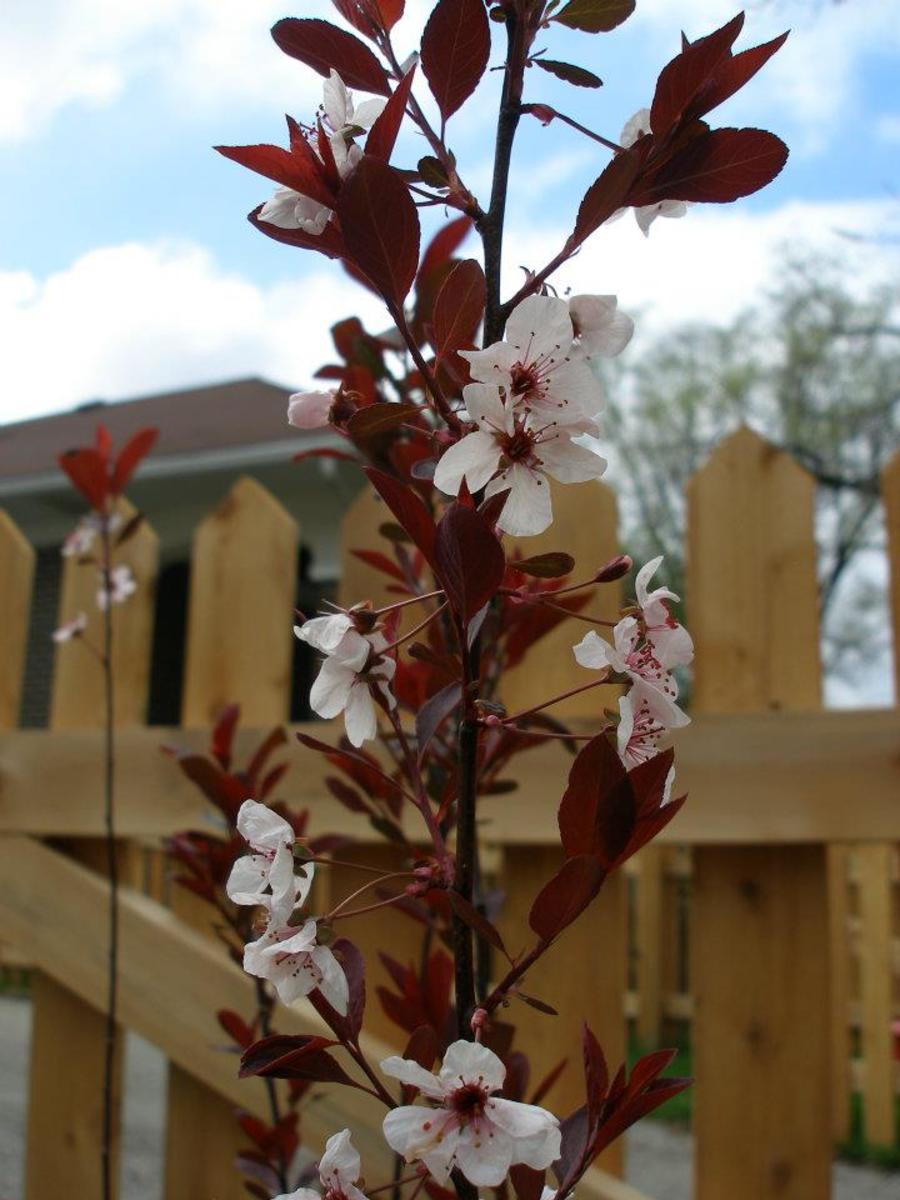
- Description: Purple sand cherry (Prunus x cistena) is a hybrid shrub that is a cross between two species of plum: Prunus cerasifera (purple leaf plum) and Prunus pumila (sand cherry). It is a deciduous shrub that typically grows 6-10 feet tall and 5-8 feet wide. The leaves are dark purple-red when they first emerge in the spring, and they gradually fade to a bronze-green color in the fall. The flowers are small, white to pink, and they bloom in clusters in the spring.
- Growing conditions: Purple sand cherry is a relatively easy plant to grow. It prefers full sun to partial shade, and it can tolerate a variety of soil types. It is drought-tolerant once it is established, but it does benefit from regular watering during the first year or two after planting.
- Pests and diseases: Purple sand cherry is generally pest- and disease-free. However, it can be susceptible to fireblight, a bacterial disease that can kill the plant.
- Propagation: Purple sand cherry can be propagated by seed, but it is more commonly propagated by grafting or cuttings.
- Uses: Purple sand cherry is a versatile plant that can be used in a variety of ways. It can be used as a specimen plant, a hedge, or a border plant. It is also a good choice for attracting butterflies and other pollinators.
Conclusion:
Purple sand cherry is a beautiful and easy-care shrub that is sure to add color and interest to your garden. If you're looking for a new plant to add to your landscape, I highly recommend considering the purple sand cherry.
Purple sand cherry is a beautiful and versatile tree that is native to North America. It has stunning purple foliage in the spring and summer, and its small, tart fruits can be used to make jams, jellies, and pies.
If you are interested in learning more about purple sand cherry, I encourage you to visit Home Gardening. This website has a wealth of information about the tree, including its history, cultivation, and uses.
FAQ of purple sand cherry
What is a purple sand cherry?
A purple sand cherry is a deciduous shrub or small tree that is native to North America. It is known for its beautiful purple leaves, which turn a brilliant scarlet in the fall. Purple sand cherries are also attractive in bloom, with clusters of white flowers that appear in spring.
How do I care for a purple sand cherry?
Purple sand cherries are relatively easy to care for. They prefer full to partial sun and well-drained soil. Water them regularly, especially during the first year after planting. Purple sand cherries are not very susceptible to pests or diseases.
How do I propagate a purple sand cherry?
Purple sand cherries can be propagated by seed, cuttings, or suckers. Seed propagation is the most difficult method, but it can be successful. Cutting propagation is the most common method, and it is relatively easy. Suckers can also be used to propagate purple sand cherries, but this method is not as reliable.
What are some common problems with purple sand cherries?
The most common problems with purple sand cherries are leaf spot, powdery mildew, and aphids. Leaf spot is a fungal disease that causes brown spots on the leaves. Powdery mildew is a fungal disease that causes a white powder to form on the leaves. Aphids are small insects that suck the sap from the leaves. All of these problems can be treated with fungicides or insecticides.
Where can I buy a purple sand cherry?
Purple sand cherries are available at most garden centers and online retailers.
Image of purple sand cherry
10 different images of purple sand cherry that are free to use:
- A close-up of a purple sand cherry leaf. The leaf is a deep purple color with a slightly serrated edge.
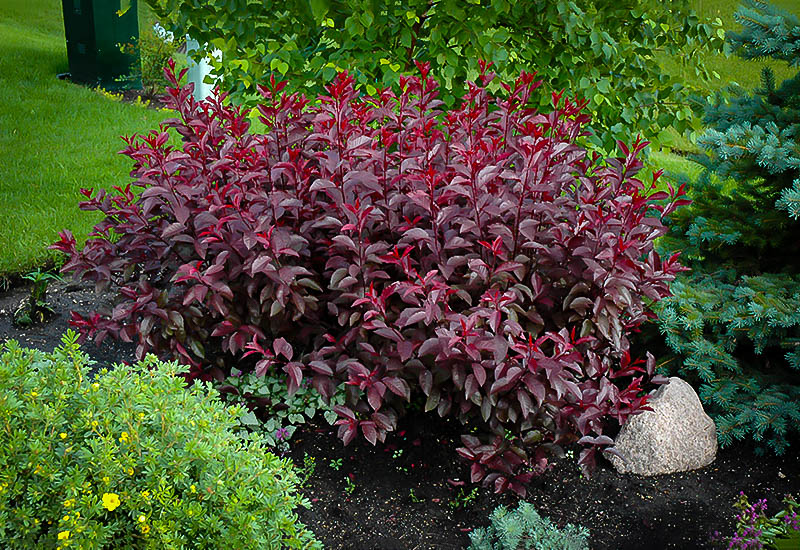
- A full-grown purple sand cherry tree. The tree is about 10 feet tall and has a spreading canopy. The leaves are a deep purple color and the flowers are white.
- A cluster of purple sand cherry flowers. The flowers are small and white with a delicate fragrance.
- A purple sand cherry tree in autumn. The leaves have turned a brilliant red color.

- A purple sand cherry tree in winter. The tree is leafless, but the branches are a deep purple color.
- A purple sand cherry tree in a garden. The tree is surrounded by other plants, including azaleas, rhododendrons, and hostas.
- A purple sand cherry tree in a park. The tree is next to a path and is surrounded by a few benches.
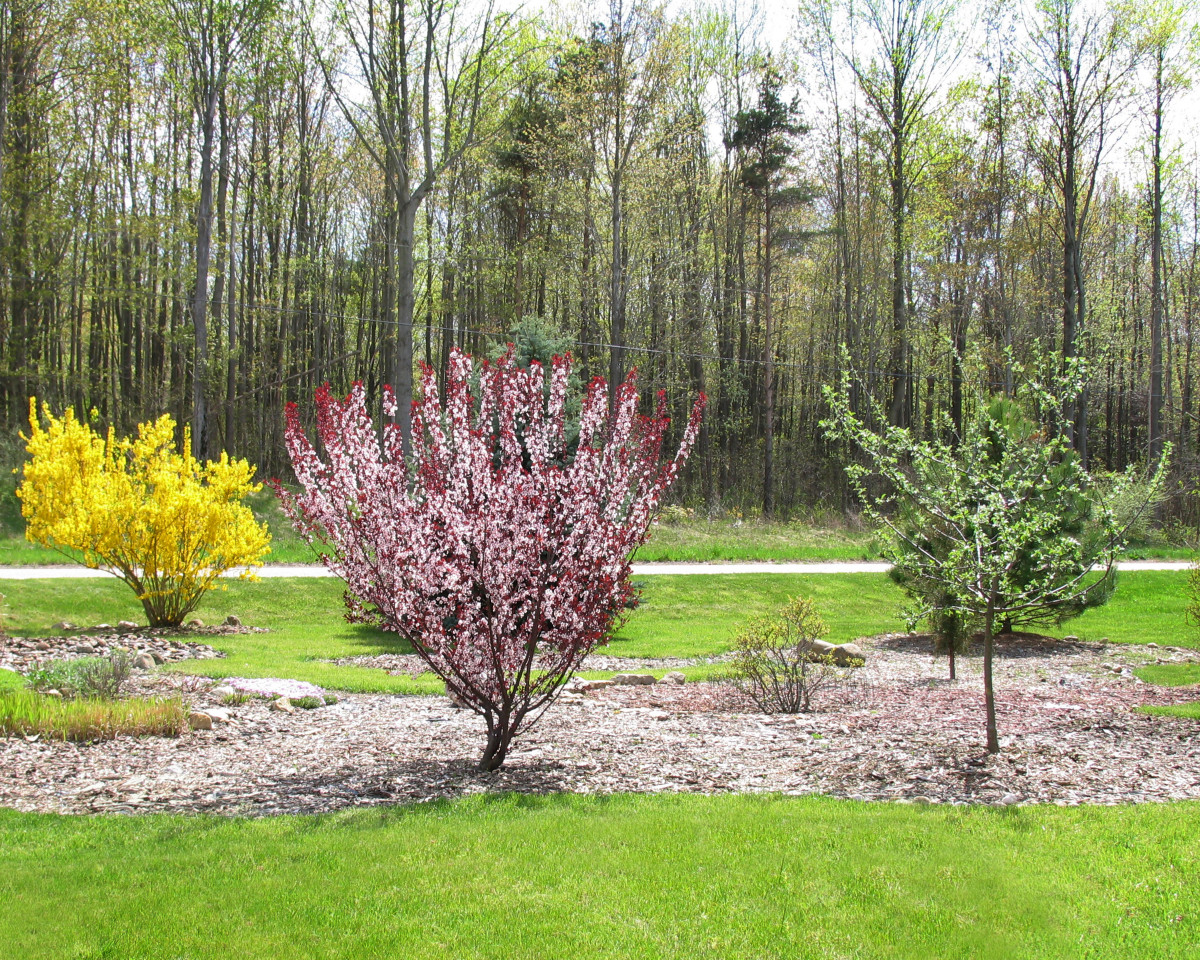
- A purple sand cherry tree in a forest. The tree is surrounded by other trees, including maples, oaks, and pines.
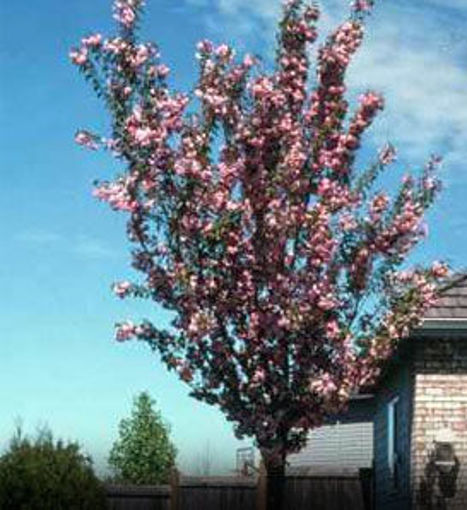
- A purple sand cherry tree in a meadow. The tree is surrounded by wildflowers, including daisies, clover, and buttercups.
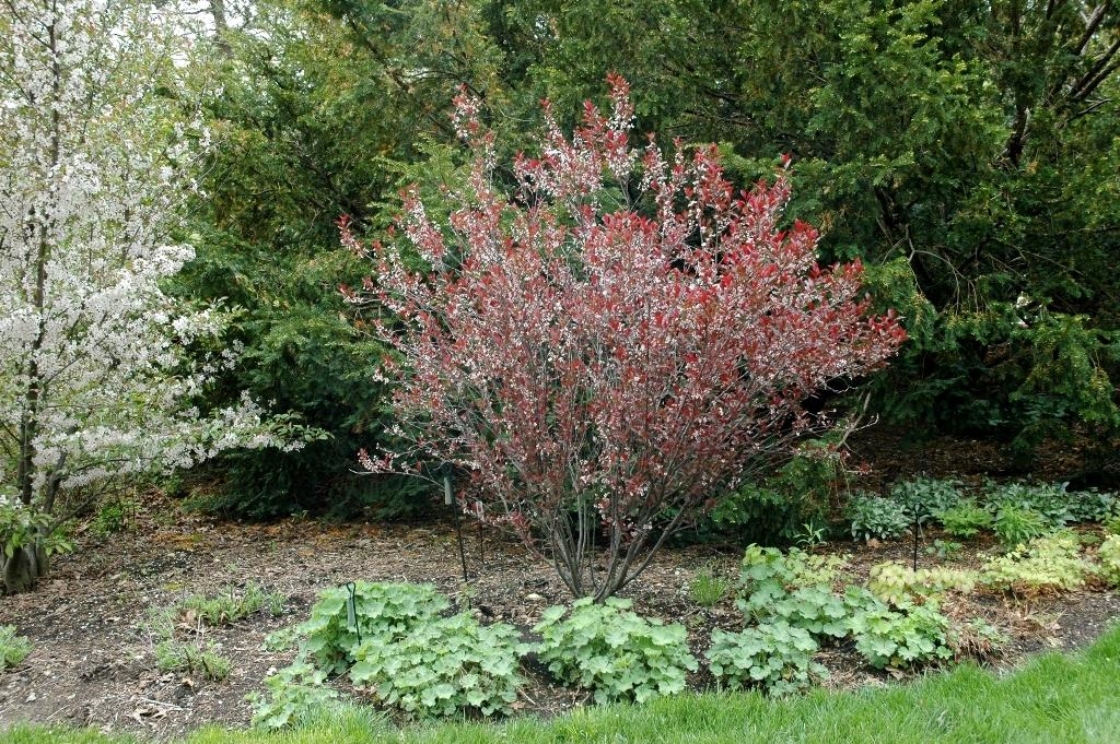
- A purple sand cherry tree in a vase. The tree is a beautiful addition to any home or office.

Post a Comment for "Purple Sand Cherry: The Stunning Shrub That Will Add Color To Your Garden"